The Modern Sleep Crisis
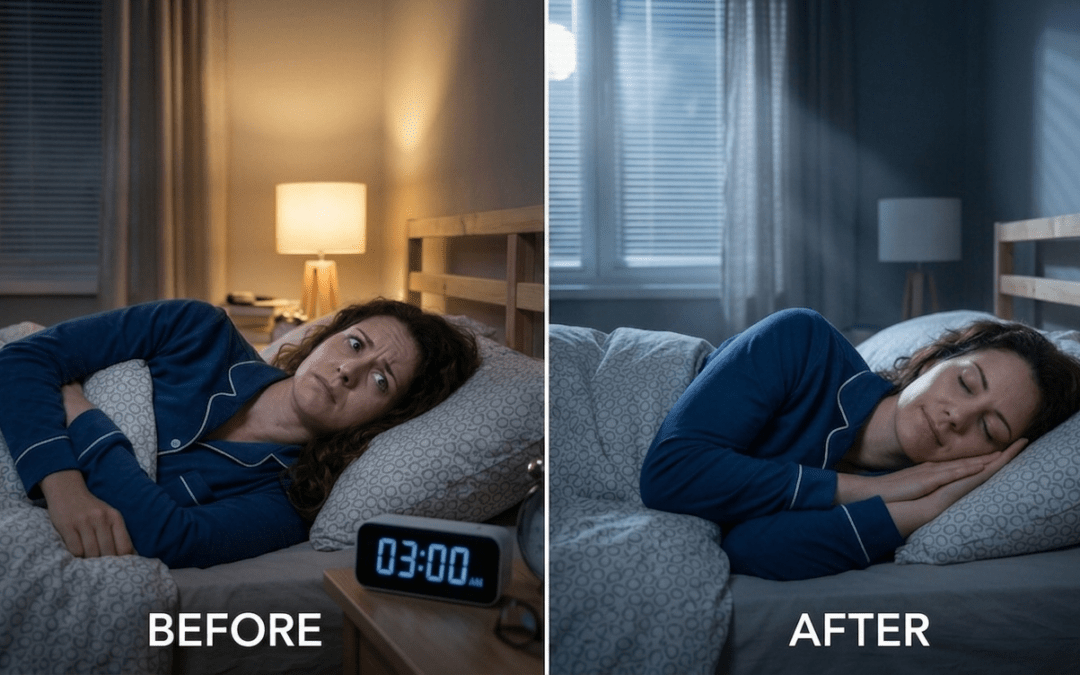
Have you ever found yourself staring at the ceiling at 3 AM, your mind racing with tomorrow’s to-do list while your body begs for rest? You’re not alone. In Ireland, one in three adults struggles with stress-related sleep issues, and the usual advice—“just relax”—feels impossible when your nervous system is stuck in overdrive.
Here’s what makes this fascinating: research is revealing that facial reflexology, a gentle therapy that’s been quietly practiced for centuries, might hold surprising answers for our modern stress epidemic. Unlike quick fixes that mask symptoms, this natural approach works with your body’s own healing mechanisms. And the best part? Science is finally catching up to what practitioners have observed for years.
What Science Says About Facial Reflexology
Research on facial reflexology specifically is still limited, so it is best to describe the evidence as promising rather than conclusive. One 2024 pilot study on a daily facial self-massage routine found a 20.2% improvement in sleep-quality scores after two months, a 31.2% reduction in daytime sleepiness, and a drop in the proportion of participants with abnormal sleep from 71.9% to 49.2%. (PubMed)
Stress-related findings are encouraging, but the stronger claims often seen online go beyond what the studies actually show. In a reflexology pilot study, participants experienced a significant reduction in state anxiety and lower cardiovascular measures, but salivary cortisol did not change significantly. (PubMed)
Regarding the nervous-system, a study on facial massage found reduced anxiety and negative mood. It reported an increase in sympathetic activity rather than a simple switch into a parasympathetic “rest-and-digest” state. So it is safe to say facial techniques may help people feel calmer, while the exact biological mechanism is still being clarified. (PubMed)
Overall, the most accurate takeaway is that facial reflexology and related facial massage approaches may support relaxation, perceived well-being, and sleep quality. Want to learn more about facial reflexology techniques? The specific methods matter. (PubMed)
Real Results: Case Studies from Practice
Let me share Sarah’s story. A 42-year-old teacher from Dublin, she came to reflexology as a last resort. “I’d tried everything,” she told me. “Meditation apps, sleeping pills, even giving up coffee. Nothing worked.” After four weekly facial reflexology sessions, Sarah was sleeping through the night for the first time in two years. Her secret? The treatment helped her body remember how to relax.
Then there’s Michael, a tech worker whose stress headaches were affecting his sleep. Through facial reflexology, he discovered that tension in his jaw was connected to his sleep disruptions. By working specific reflex points, not only did his sleep improve, but his chronic headaches disappeared too. It’s fascinating how facial reflexology helps with sinus and headache relief while simultaneously improving sleep quality.
Common improvements clients report:
- Falling asleep within 15-20 minutes instead of hours
- Waking feeling refreshed rather than exhausted
- Reduced anxiety and racing thoughts at bedtime
- Better stress management throughout the day
How Facial Reflexology Works for Stress and Sleep
So what’s actually happening during a session? Your face contains over 300 reflex points connected to your entire body through nerve pathways. When these points are gently stimulated, they send signals directly to your brain and nervous system.
The solar plexus reflex point acts like a reset button for stress. Working this area helps calm the sympathetic nervous system—your fight-or-flight response. Meanwhile, points that correspond to the pineal gland, regulates melatonin production for healthy sleep cycles.
This isn’t mystical—it’s neurological. The facial nerves have direct pathways to the brainstem, where sleep and stress responses are regulated. By working these specific points, we’re essentially giving your nervous system a gentle nudge back toward balance.
Getting Started with Evidence-Based Relief
Ready to experience these benefits yourself? While the research is compelling, nothing beats personal experience. Professional facial reflexology sessions typically last 45 minutes and feel deeply relaxing—many clients drift off during treatment.
What can you expect? Most people notice improved sleep quality after 2-3 sessions, with stress levels beginning to shift even sooner. The beauty of this approach is its gentleness—there are no side effects, just a natural return to balance.
If you’re curious about which specific points might help your unique situation, why not explore the facial reflexology points map? Understanding your body’s reflex connections can be the first step toward better sleep and less stress. Ready to experience the science-backed benefits of facial reflexology? Call to book your session and start your journey to peaceful nights and calmer days.