Picture this: You’re at a family dinner, enthusiastically sharing how reflexology helped your migraines. Your brother-in-law leans back, arms crossed, and delivers the inevitable line: “But is there any actual scientific proof?”
Sound familiar? You’re not alone. This skepticism follows holistic therapies like a shadow, leaving many of us tongue-tied when we know these treatments work but can’t cite chapter and verse from medical journals.
Here’s what makes this fascinating: while your brother-in-law waits for his “proof,” researchers worldwide have been quietly documenting something remarkable. The evidence isn’t hiding in obscure journals – it’s right there in plain sight, waiting to surprise the skeptics.
When Science Meets Ancient Wisdom
Think of it this way: studying reflexology or Reiki is like trying to measure the impact of a good hug. Just because something works through subtle mechanisms doesn’t mean science can’t capture its effects.
Modern researchers use the same rigorous methods they’d apply to any medical treatment. They measure pain levels, track stress hormones, monitor sleep quality, and document quality of life changes. The difference? They’re open to understanding individual responses to holistic therapies rather than expecting one-size-fits-all results.
What they’re finding challenges everything the skeptics assume.
The Evidence That Surprised Researchers
The Pain Study That Changed Minds
In 2011, researchers at the University of Portsmouth found something extraordinary. When they tested reflexology on patients with chronic lower back pain, 40% experienced significant relief – better than many conventional treatments. But here’s the kicker: the benefits lasted weeks after treatment ended.
Stress Hormones Don’t Lie
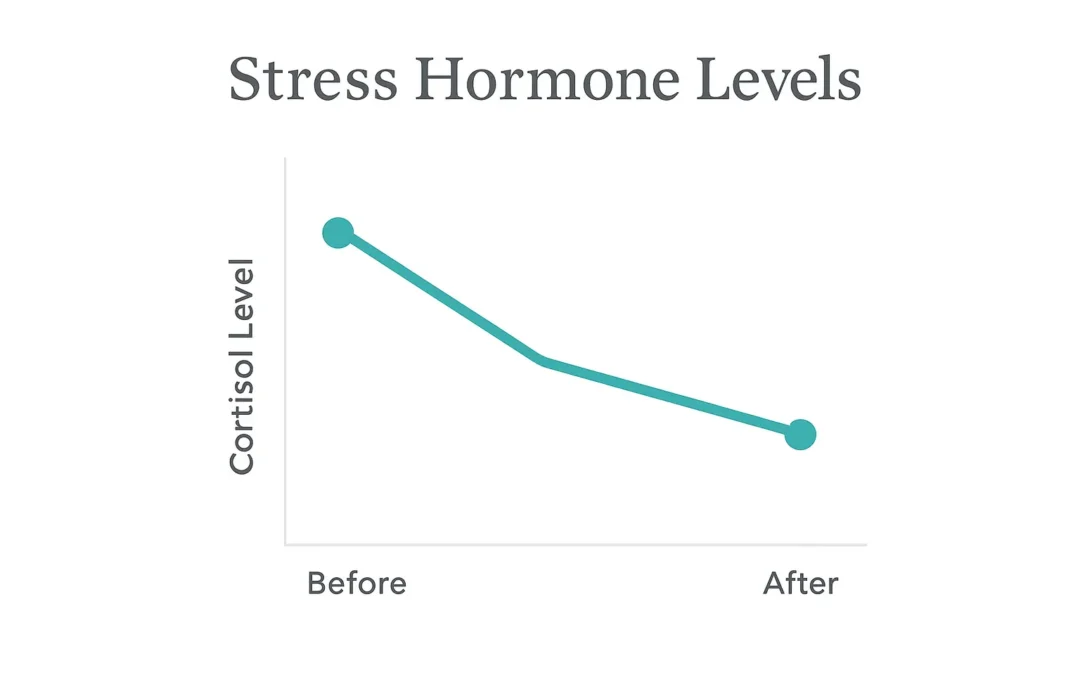
Japanese researchers took skepticism seriously. They measured cortisol (our stress hormone) before and after Reiki sessions. The results? Significant drops in cortisol, comparable to meditation or gentle exercise. One researcher noted, “We expected subtle changes. What we found was measurable, consistent stress reduction.”
Cancer Patients Speak Up
Perhaps most compelling are studies from cancer treatment centers. The University of Michigan found reflexology reduced symptoms in cancer patients by up to 50% – not curing cancer, but dramatically improving quality of life during treatment. Patients reported better sleep, less anxiety, and remarkably, less pain from treatment side effects.
The Anxiety Breakthrough
A 2019 systematic review examined 26 different studies on reflexology for anxiety. The verdict? Consistent, significant reductions across different populations – from surgical patients to new mothers.
What This Means for You
Here’s what the research really tells us: holistic therapies work through measurable, biological mechanisms. They’re not replacing medical care – they’re enhancing your body’s natural healing abilities.
The beauty lies in the approach. Unlike treatments that force change, Reiki and reflexology work with your body’s wisdom, gently encouraging balance. The science simply confirms what practitioners and clients have known all along.
Still skeptical? That’s perfectly fine. The best evidence might just be your own experience.
Your Next Step
Ready to move beyond myths and discover what holistic therapies can do for you? Explore more holistic therapy myths or call today for your free 15-minute consultation. Sometimes the best proof is simply feeling better.