Have you ever felt like you’re carrying invisible weights from experiences you thought you’d left behind? That tightness in your chest when certain memories surface, or that constant state of alertness even when you’re safe? If you’re nodding along, you’re not alone. Many of us carry the echoes of past wounds in our bodies and energy fields, long after the original events have passed.
Here’s where Reiki enters the conversation—not as a magic cure, but as a gentle companion on your healing journey. Think of it as a soft hand on your shoulder when the world feels too harsh, a moment of peace when your nervous system won’t stop racing. This ancient practice offers something unique: a way to address trauma that honors both your need for safety and your capacity for healing.
Understanding Trauma’s Impact on Your Energy System
When we experience trauma, it doesn’t just live in our minds—it settles into our entire being. Your nervous system, designed to protect you, can get stuck in survival mode. Picture it like a smoke alarm that keeps going off even after the fire’s been put out. This constant state of alert affects your energy flow, creating blockages and imbalances throughout your body.
These energy disruptions often manifest as:
- Chronic tension in specific body areas
- Difficulty feeling present or grounded
- Emotional numbness or overwhelming sensitivity
- Sleep disturbances and fatigue
- Unexplained physical discomfort
This is where understanding your body’s energy system becomes crucial. In holistic healing, we recognize that emotional wounds create energetic imprints. Just as a physical injury leaves a scar, trauma leaves its mark on your energy field. The beautiful thing? Energy, unlike physical matter, is incredibly responsive to gentle, intentional healing work. That’s exactly what Reiki offers—a way to work with these energy patterns without having to relive or even fully articulate your experiences.
For a deeper understanding of this comprehensive Reiki emotional healing approach, you’ll find that addressing trauma is just one aspect of supporting your overall emotional wellbeing.
How Reiki Creates a Safe Space for Healing
Safety—it’s the foundation of any trauma healing work. Without it, true healing simply can’t happen. Reiki naturally creates this essential safe container through its very nature: non-invasive, gentle, and entirely within your control.
During a session, you remain fully clothed and comfortable. There’s no pressure to share your story unless you choose to. The practitioner works with light touch or even hands hovering above your body, allowing you to maintain whatever physical boundaries feel right for you.
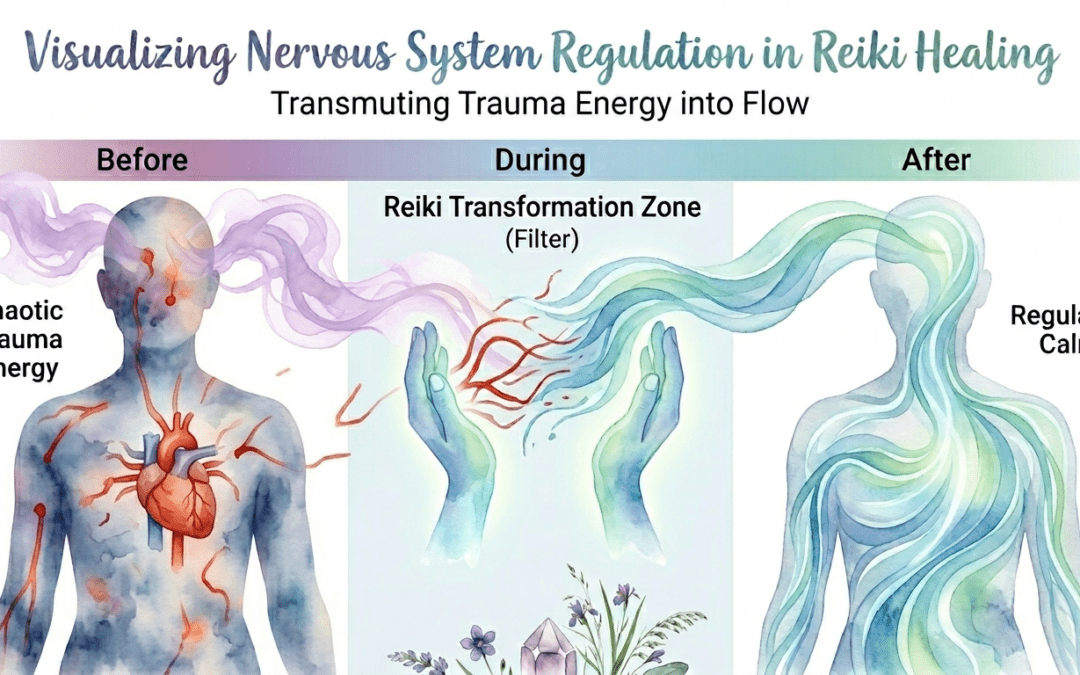
But here’s what makes Reiki particularly powerful for trauma: it works directly with your nervous system’s regulation. As the gentle energy flows, many clients report:
- A profound sense of calm washing over them
- Physical tension melting away
- Breathing becoming deeper and easier
- A feeling of returning to their body safely
The energy work helps shift your nervous system from that constant “fight-flight-freeze” state into “rest and restore” mode. This isn’t just relaxation—it’s your body remembering what safety feels like at a cellular level.
For those also dealing with ongoing anxiety and stress relief through Reiki, this nervous system regulation becomes a powerful tool for daily life, not just during sessions.
What to Expect in Trauma-Focused Reiki Sessions
Walking into your first session, you might feel nervous—that’s completely normal and welcomed. A trauma-informed Reiki practitioner understands this. The session begins with a gentle conversation about your comfort levels and any areas where you’d prefer not to be touched. You’re always in control.
The actual treatment typically involves:
- Starting with grounding techniques to help you feel present
- Pausing whenever you need to
- Integrating breathing exercises if helpful
- Closing with techniques to help you feel centered
Some people experience emotional releases—tears, memories surfacing, or even laughter. Others feel nothing but deep relaxation. There’s no “right” way to experience Reiki. Your body’s wisdom guides the session, taking in exactly what it needs at that moment.
It’s important to remember that Reiki complements but doesn’t replace professional mental health support for PTSD. Many find the combination of traditional therapy and energy work creates a more complete healing approach.
Moving Forward with Gentle Strength
As someone who’s walked through deep grief and found solace in Reiki’s gentle embrace, I understand the courage it takes to seek healing. Every person who comes for a session carries their own story, their own strength, and their own capacity for transformation.
Trauma doesn’t define you, but addressing it with compassion can free you. Whether you’re curious about beginning this journey or looking for additional support alongside your current healing work, remember—healing happens in its own time, at its own pace.
Ready to explore how others in our community have found peace through this gentle practice? Discover real stories from County Kildare and see how Reiki has supported fellow trauma survivors on their path to wholeness.