
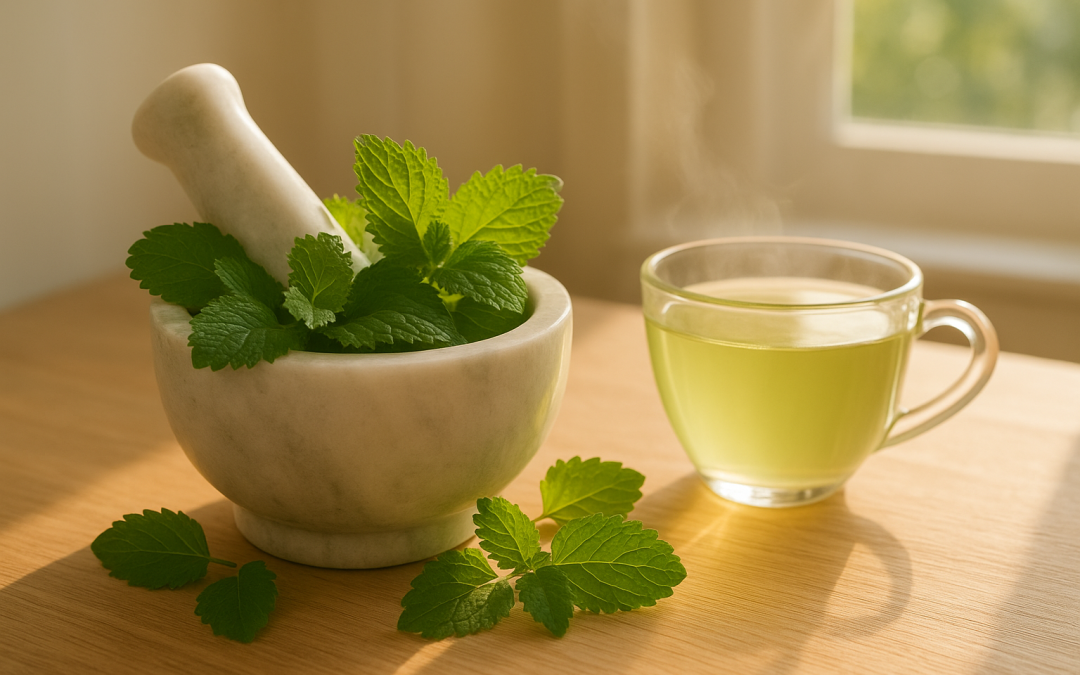
Picture this: You’ve just finished a deeply relaxing reflexology session. Your feet feel lighter, your mind clearer, and that persistent knot of tension has finally begun to unwind. Now imagine extending that blissful state with a perfectly timed cup of herbal tea. Think of it as giving your nervous system a gentle, aromatic hug that keeps those good feelings flowing long after you’ve left the treatment room.
As someone who’s experienced both sides of the reflexology table, I’ve discovered that certain herbal teas work like natural amplifiers for the calming effects we create during a session. It’s not just about having a nice drink—it’s about creating a synergy between two powerful healing traditions.
Chamomile: The Gentle Soother
Let’s start with the queen of calming teas: chamomile. This daisy-like flower has been humanity’s stress-relief companion for thousands of years, and for good reason. Chamomile contains apigenin, an antioxidant that binds to specific receptors in your brain, promoting sleepiness and reducing anxiety.
Here’s what makes chamomile particularly special when paired with reflexology: both work on similar pathways in your body. While reflexology stimulates specific points to release tension and promote balance, chamomile’s anti-inflammatory compounds help maintain that relaxed state at a cellular level.
Dosing and timing tips:
- Use 1-2 teaspoons of dried chamomile flowers per cup
- Steep for 5-7 minutes in water just below boiling
- Drink 30 minutes before your reflexology session for enhanced relaxation
- Or enjoy immediately after to prolong the calming effects
For those dealing with ongoing stress, consider making chamomile part of your daily holistic stress management routine. The cumulative effects build over time, just like regular reflexology sessions.
Lemon Balm: The Mood Lifter
If chamomile is like a warm blanket, lemon balm is like sunshine breaking through clouds. This citrus-scented herb from the mint family brings a unique quality to your stress-relief toolkit: it calms without causing drowsiness.
Scientific studies show that lemon balm influences GABA receptors in the brain—the same ones targeted by anti-anxiety medications, but in a gentler, more natural way. This makes it perfect for morning or afternoon reflexology sessions when you need to stay alert but relaxed.
I often recommend lemon balm tea to clients who struggle with that buzzing, restless energy that stress creates. Combined with reflexology work, it helps create what I call “grounded calm”—you feel centered and peaceful, but still fully present.
Best practices for lemon balm:
- Use fresh leaves when possible (2 tablespoons per cup)
- Or 1 teaspoon dried leaves
- Steep for 10 minutes to extract maximum benefits
- Combine with grounding techniques for enhanced effects
The lemony aroma alone can shift your mood, making this tea an excellent choice for those dealing with stress-related digestive issues.
Valerian Root: The Deep Relaxer
Now we enter the realm of serious relaxation with valerian root. This isn’t your afternoon tea—valerian means business when it comes to calming your nervous system. Often called “nature’s Valium,” this earthy root has been used since ancient Greek times for insomnia and anxiety.
What makes valerian particularly effective with evening reflexology? It works synergistically with the body’s natural wind-down processes. When you combine valerian tea with reflexology, you’re essentially giving your body a double signal that it’s time to shift into rest mode.
Important valerian guidelines:
- Start with ½ teaspoon of dried root per cup
- Steep for 10-15 minutes (it needs time to release its compounds)
- Drink 30-60 minutes before bedtime
- Never combine with alcohol or sedative medications
- Some people find the earthy taste challenging—add honey or blend with chamomile
Because valerian is so potent, I recommend starting with small amounts and only using it 2-3 times per week initially. Pay attention to how your body responds, especially if you have morning reflexology appointments scheduled.
Creating Your Tea Ritual
The beauty of combining herbal teas with reflexology lies not just in the biochemical benefits, but in the ritual itself. Here’s how to make the most of this powerful pairing:
Before morning sessions: Opt for lemon balm or mild chamomile to ease into relaxation without drowsiness.
After afternoon treatments: Chamomile helps maintain that balanced state throughout your day.
Evening wind-down: Save valerian for nights when you’re ready to fully surrender to rest.
Remember, these herbs are allies, not quick fixes. Like reflexology itself, their benefits compound over time. Start slowly, listen to your body, and adjust as needed.
Ready to optimize your entire evening routine for better rest? Discover how to create your perfect sleep sanctuary guide and transform your bedroom into a haven for deep, restorative sleep.