Picture this: You’re settling into a comfortable massage table at a spa, expecting a relaxing foot massage. But instead of simply kneading your tired feet, the therapist begins pressing specific points with focused intention, asking about your sleep patterns and digestion. “This point connects to your stomach,” she explains, working on a spot that seems oddly tender. You’ve just discovered the difference between a foot massage and reflexology— and it’s far more significant than most people realize.
Understanding Reflexology’s Unique Approach
While both practices involve touching the feet, reflexology operates on an entirely different principle. Reflexology views your feet as a detailed map of your entire body, with each area corresponding to specific organs, glands, and systems. Think of it this way: if your body were a house, your feet would be the blueprint, with every room clearly marked.
This ancient practice, rooted in the Greek concept of holos (meaning whole), works with over 7,000 nerve endings in each foot. When a reflexologist applies pressure to these specific reflex points, they’re not just relieving foot tension—they’re stimulating corresponding areas throughout your body. It’s a holistic approach that recognizes the intricate connections between all parts of your being.
The foot map used in reflexology has been refined over centuries, with modern practitioners incorporating insights from scientific research that validates holistic therapies. This systematic approach transforms what might look like a foot massage into a therapeutic session aimed at restoring balance to your entire body.
Key Differences That Matter
So what exactly sets reflexology apart from a traditional foot massage? Let’s break down the essential differences:
Intention and Focus
- Foot massage: Primarily aims to relax muscles and improve circulation in the feet and lower legs.
- Reflexology: Targets whole-body wellness by stimulating specific reflex points linked to organs and systems.
Technique and Pressure
- Foot massage: Uses broad strokes, kneading, and general manipulation of soft tissues.
- Reflexology: Mainly employs precise thumb and finger pressure on exact reflex points, among other techniques.
Training and Knowledge
- Foot massage: Requires massage therapy training.
- Reflexology: Demands extensive study of foot maps, anatomy, and the relationship between reflex zones and body systems
Expected Outcomes A foot massage leaves you with relaxed, refreshed feet. But reflexology clients often report improvements in seemingly unrelated areas: better sleep, reduced headaches, improved digestion, or hormonal balance. As one client shared, “I came for foot pain but left with my sinuses cleared and the best night’s sleep I’d had in months.”
The Science Behind the Practice
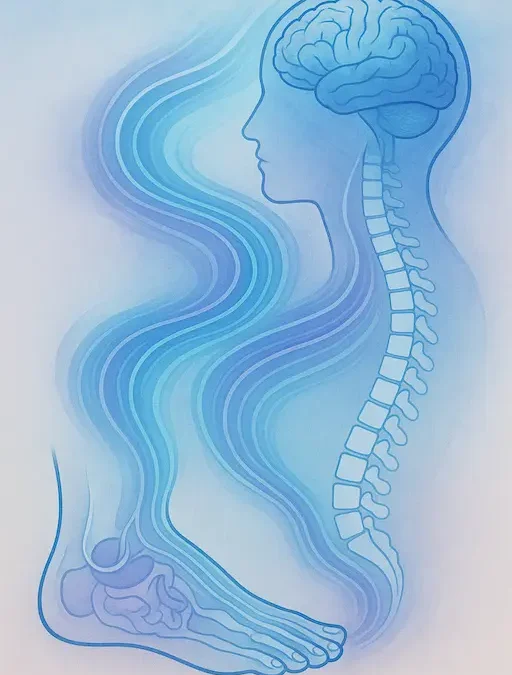
The neurological pathways that make reflexology effective aren’t just theoretical—they’re grounded in anatomy. When pressure is applied to reflex points, it stimulates nerve impulses that travel through the spinal cord to the brain, which then sends signals to the corresponding organs or systems.
Research has shown that reflexology can influence the autonomic nervous system, shifting the body from a stressed “fight or flight” state to a calming “rest and digest” mode. Studies have documented measurable changes in brain activity during reflexology sessions, supporting what practitioners and clients have long observed.
This scientific foundation places reflexology alongside other evidence-based complementary therapies. Like Reiki and other energy-based practices, reflexology works with the body’s natural healing mechanisms rather than against them.
Experience the Difference
Now that you understand why reflexology is far more than a simple foot massage, you might be curious about what other misconceptions surround holistic therapies. The truth is, many complementary practices are misunderstood, their profound benefits overshadowed by myths and misinformation.
Whether you’re dealing with chronic stress, hormonal imbalances, or simply seeking deeper wellness, authentic reflexology offers a unique pathway to healing that a foot massage simply cannot provide. The precision, intention, and whole-body approach make all the difference.
Ready to separate fact from fiction in the world of holistic health? Explore more common myths about holistic therapies and discover how these time-tested practices can support your journey to wellness. Or better yet, experience the difference firsthand—call to book your reflexology session and feel why this ancient practice has stood the test of time!