Have you ever wondered whether reflexology is officially recognised in Ireland? Or perhaps you’re curious if your health insurance might actually cover those relaxing foot treatments that do so much more than just feel good? You’re not alone. Many people are surprised to discover that reflexology isn’t just a “nice-to-have” wellness treatment—it’s a professionally regulated therapy that’s increasingly recognised by mainstream healthcare systems.
Think about it this way: when you visit any healthcare professional, you want to know they’re properly trained and accountable to professional standards. The good news? In Ireland, reflexology has moved far beyond its perception as an alternative therapy. Today, it sits firmly within the complementary healthcare framework, complete with professional bodies, ethical codes, and yes—even insurance coverage.
Understanding Irish Reflexology Regulations
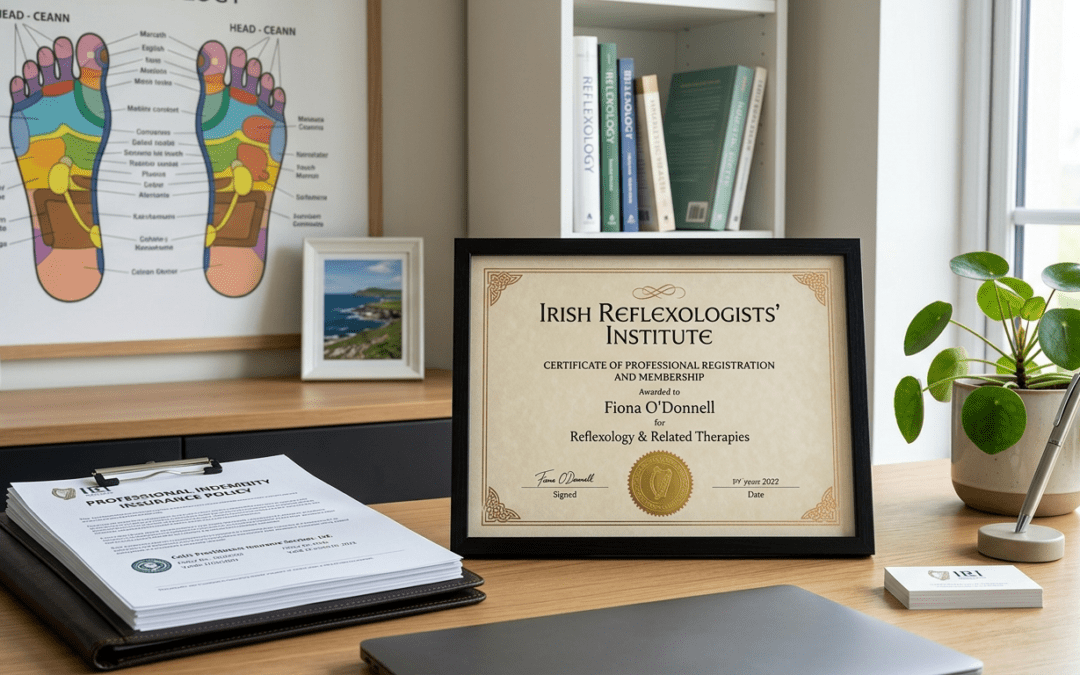
While reflexology isn’t statutorily regulated like conventional medicine, it operates under robust self-regulation through professional bodies like the Irish Reflexologists’ Institute (IRI) or the National Register of Reflexologists Ireland NRRI that stand as the primary regulatory authority, setting educational standards and maintaining a register of qualified practitioners.
Here’s what makes this fascinating: to become a registered reflexologist in Ireland, practitioners must complete accredited training programmes covering anatomy and physiology, reflexology history, principles, techniques and contraindications, basic First Aid, professional conduct and business awareness, and extensive practical experience among others. The IRI requires:
- Minimum 150-hour training programmes
- Ongoing professional development
- Professional indemnity insurance
- Adherence to strict codes of ethics and practice
These standards ensure reflexologists understand when to treat, when to refer to medical professionals, and how to work safely within their scope of practice. It’s this professional framework that has helped reflexology gain recognition from health insurers—they know registered practitioners meet consistent quality standards.
Health Insurance Coverage for Reflexology
This is where things get really interesting for your wallet. Major Irish health insurers now reimburse reflexology treatments when provided by registered practitioners.
The key? Your reflexologist must be registered with a recognised professional body like the IRI or NRRI. This professional recognition has opened doors for reflexology in mainstream healthcare settings too, with increasing research in medical settings demonstrating its effectiveness for conditions ranging from anxiety to chemotherapy side effects.
But here’s the practical bit: always check your specific policy details. Coverage limits, number of sessions, and reimbursement percentages vary between plans. Most insurers require receipts showing the practitioner’s professional registration number.
Why Professional Registration Matters
Choosing a registered reflexologist isn’t just about insurance claims—it’s about your safety and treatment quality. Registered practitioners are trained to recognise red flag symptoms that require medical attention. They understand contraindications and know when reflexology might not be appropriate.
Professional registration ensures your reflexologist:
- Maintains client confidentiality
- Carries professional indemnity insurance
- Engages in continuous education
- Works within defined professional boundaries
- Keeps detailed treatment records
This professional approach means reflexologists work as part of your broader healthcare team, complementing rather than replacing conventional medical care. It’s this collaborative mindset that’s helped reflexology gain credibility within Ireland’s healthcare system.
Making Your Choice – Questions to Ask
When selecting a reflexologist, don’t be shy about asking:
- Are you registered with a professional body?
- What’s your professional registration number?
- Do you have professional indemnity insurance?
- Can I claim treatments through my health insurance?
Ready to experience professional reflexology for yourself? Understanding how complementary vs conventional medicine work together can help you make informed choices about your health and wellbeing. Why not book a free 15-minute consultation to discuss how reflexology might support your health goals?