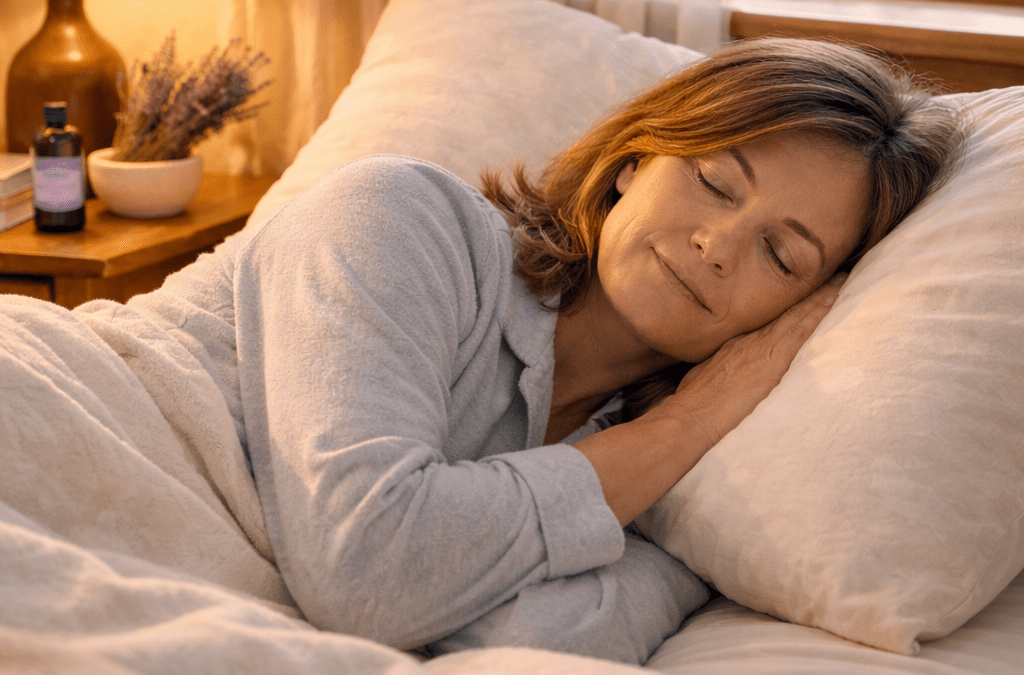
Picture this: It’s 3 AM, and you’re wide awake again. Your partner nudges you because your snoring sounds like a freight train, or worse, you’ve stopped breathing momentarily. Sleep apnoea affects millions worldwide, leaving sufferers exhausted and frustrated. While CPAP machines and medical interventions remain the gold standard treatment, many people wonder: could something as gentle as reflexology offer additional support?
This question brings many to my practice here in Ireland, seeking complementary approaches to their breathing struggles. Let me share what reflexology might offer—and equally important, what it cannot replace.
Understanding the Connection
Reflexology works on the principle that specific points on your feet correspond to different body systems. When it comes to breathing and sleep, several key areas come into play. The ball of your foot, just below your toes, contains reflex points for your lungs and respiratory system. The solar plexus point, helps regulate your nervous system—crucial for peaceful sleep.
Think of it this way: when we stimulate these points through gentle pressure, we’re essentially having a conversation with your body’s systems. The diaphragm reflex, may help promote deeper, more rhythmic breathing. While we’re not directly treating sleep apnoea, we’re supporting the body’s natural ability to find balance. For those curious about understanding the science behind reflexology and sleep, emerging research offers intriguing insights.
What Reflexology May Offer
So what might you realistically expect? First, many clients report feeling profoundly relaxed after sessions—and stress reduction alone can improve sleep quality. When we’re less tense, our airways may remain more open, and our breathing patterns often improve naturally.
Regular reflexology sessions might support:
- Reduced muscle tension in the neck and throat area
- Better circulation to respiratory tissues
- Improved nervous system balance, shifting from fight-or-flight to rest-and-digest mode
- Enhanced overall relaxation, making it easier to fall and stay asleep
Some clients notice they snore less intensely or wake feeling slightly more refreshed. Others find that reflexology helps them manage the anxiety that often accompanies sleep disorders. Remember, these benefits work best when reflexology complements your medical treatment and supports your body’s natural sleep rhythms.
Safety First: Important Considerations
Here’s where I must be crystal clear: reflexology is not a replacement for medical diagnosis or treatment of sleep apnoea. This condition can have serious health consequences if left untreated, including increased risk of heart disease and stroke.
Always work with your doctor first. Get proper diagnosis through a sleep study. Use prescribed treatments like CPAP as directed. Then, consider reflexology as an additional support—never as your primary treatment.
Red flags requiring immediate medical attention include:
- Gasping or choking during sleep
- Extreme daytime fatigue affecting daily activities
- Morning headaches or high blood pressure
- Difficulty concentrating or memory problems
Taking the Next Step
If you’re already under medical care for sleep apnoea and want to explore reflexology as complementary support, here’s what to expect. During your first session, we’ll discuss your health history and current treatments. The actual reflexology work is gentle—no harder than a firm handshake—and deeply relaxing.
Many clients book sessions in the early evening, finding this timing helps prepare their body for better sleep. Others prefer morning appointments to start their day feeling balanced and refreshed.
Ready to discover how reflexology might support your journey to better rest? Explore how reflexology supports better sleep patterns and learn about the various ways this gentle therapy addresses sleep challenges. Book your free 15-minute consultation to discuss your specific needs.