
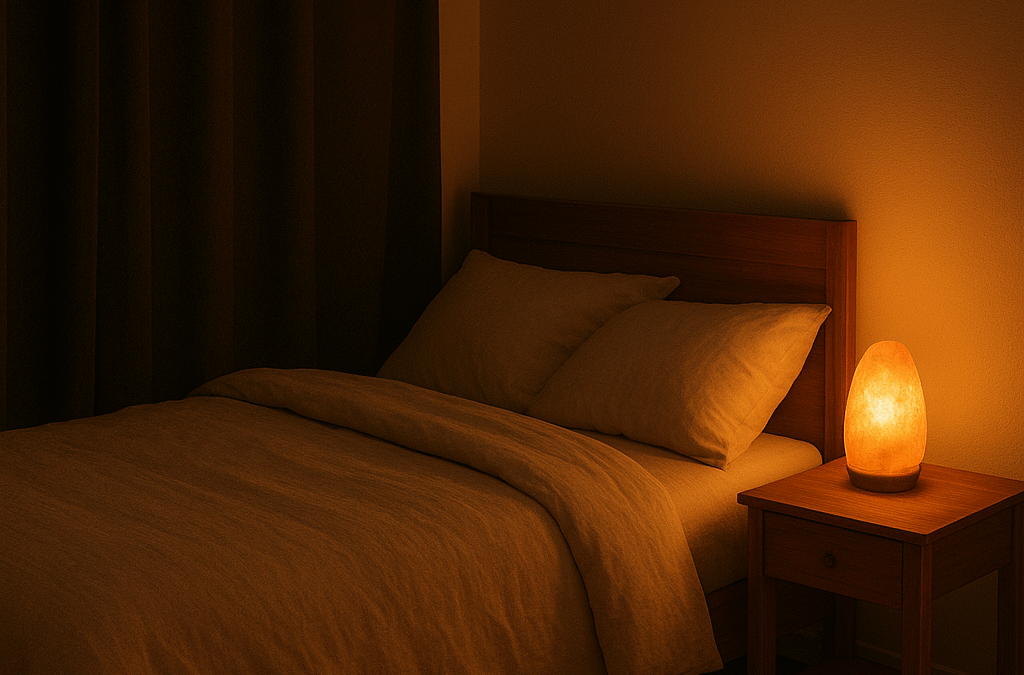
Ever wondered why you can fall asleep on the couch watching TV but toss and turn once you hit the bed? Your bedroom environment might be sabotaging your sleep without you even realizing it.
Here’s the fascinating part: combining simple environmental tweaks with a relaxing foot reflexology routine can transform your nightly rest from a struggle into a sanctuary. Think of it as giving your body multiple signals that it’s time to wind down – from the outside environment and from within through gentle pressure points.
Your Bedroom Environment Checklist
Creating the perfect sleep environment doesn’t require a complete bedroom makeover. Small, intentional changes can make a world of difference. Let’s start with the big three: light, temperature, and electromagnetic fields (EMFs).
Darkness is Your Friend
- Install blackout curtains or use an eye mask
- Remove or cover LED lights from electronics
- Use red light bulbs for any necessary nighttime lighting
- Dim lights 2 hours before bedtime to trigger melatonin production
Temperature Matters More Than You Think Your body temperature naturally drops at night, signaling sleep time. Help this process by:
- Setting your thermostat between 65-68°F (18-20°C)
- Using breathable bedding materials like cotton or linen
- Keeping feet warm with socks if needed (cold feet can disrupt sleep!)
EMF Reduction for Restful Sleep While the research continues to evolve, many people report better sleep when reducing bedroom EMFs:
- Place your phone on airplane mode or in another room
- Unplug unnecessary electronics
- Position your bed away from electrical outlets when possible
These environmental adjustments work synergistically with holistic stress management techniques to create a comprehensive approach to better sleep.
The Power of Pre-Sleep Foot Reflexology
Here’s where things get interesting. Your feet contain over 7,000 nerve endings and reflexology points that correspond to every organ and system in your body. When you stimulate these points before bed, you’re essentially giving your entire body a gentle nudge toward relaxation.
The beauty of foot reflexology for sleep lies in its ability to:
- Activate the parasympathetic nervous system (your body’s “rest and digest” mode)
- Release tension accumulated throughout the day
- Improve circulation, helping regulate body temperature for sleep
- Calm racing thoughts through focused, mindful touch
Specific points on your feet connect directly to areas that influence sleep quality. The solar plexus point (center of the foot) helps release anxiety, while the pineal gland point (big toe) supports natural melatonin production. Even without knowing exact point locations, general foot massage provides profound benefits.
Your 5-Minute Foot Roller Routine
Ready to add this game-changing practice to your bedtime ritual? Grab a tennis ball or specialized foot roller and follow this simple routine:
1. Warm-Up Roll (1 minute) Sit comfortably and roll the entire sole of each foot gently, applying light pressure. This awakens the nerve endings and prepares your feet for deeper work.
2. Arch Focus (2 minutes) Concentrate on your arches, rolling slowly from heel to ball of foot. If you hit a tender spot, pause and breathe deeply while maintaining gentle pressure for 10-15 seconds.
3. Toe Attention (1 minute) Roll the ball under your toes and the ball of your foot. This area contains reflexology points for your head and brain and for your lungs – perfect for quieting mental chatter and relaxing the breathing.
4. Finishing Touch (1 minute) End with light, circular motions around your heels and ankles. This grounds your energy and signals completion of your routine.
This practice pairs beautifully with other desk stretches and hand reflexology techniques you might already use during your day.
Sweet Dreams Await
Your bedroom is now primed for restorative sleep, and your feet have delivered calming signals throughout your body. Consistency is key – give yourself at least a week of following this checklist to notice significant improvements.
Want to enhance your sleep sanctuary even further? Discover which calming teas for better sleep can complement your new bedtime routine and take your rest to the next level.